
Choosing a new guitar is usually an exciting process, but for many of us, it eventually turns into a source of frustration. You find a guitar that sounds like a dream in the shop, but after twenty minutes of practice at home, your fingertips are throbbing and your shoulder feels stiff.
Most reviews obsess over tonewoods and brand heritage, which are great for conversation but don’t help your hands. If a guitar is a “workout for your fingers,” you simply won’t pick it up as often. After two decades of playing, I’ve realized that the best guitar in the world is the one that stays comfortable until the moment you decide to stop playing – not when your hand forces you to.
What Makes a Guitar “Easy” to Play?
Before we look at the brands, we have to look at the mechanics. Comfort usually boils down to these four factors:
- Neck Profile: This is how the back of the neck sits in your palm. If it’s too thick, your hand cramps; too thin, and you lose leverage.
- Action and Tension: This is the distance between the strings and the frets. High action means you have to press like a powerlifter just to get a clean note.
- Body Ergonomics: A massive dreadnought might sound huge, but if you’re hunching over it, your back will pay the price.
- The “1-Hour” Rule: Does the guitar still feel effortless after 60 minutes, or does it start to feel like a chore?
Taylor: The Modern Standard
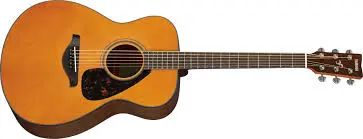
Taylor essentially rewrote the book on modern guitar necks. They are famous for a slim, fast feel that is very consistent across their entire lineup.
- Strengths: Their necks feel like an electric guitar – thin and easy to wrap your hand around. They also have great quality control, so they usually play well right off the shelf.
- Real-world trade-offs: Taylor uses a slightly higher string tension. While the neck is slim, the strings can feel “tight” under your fingers, which can be tough on sensitive hands or those with a bit of stiffness.
Zager: The Player-First Alternative
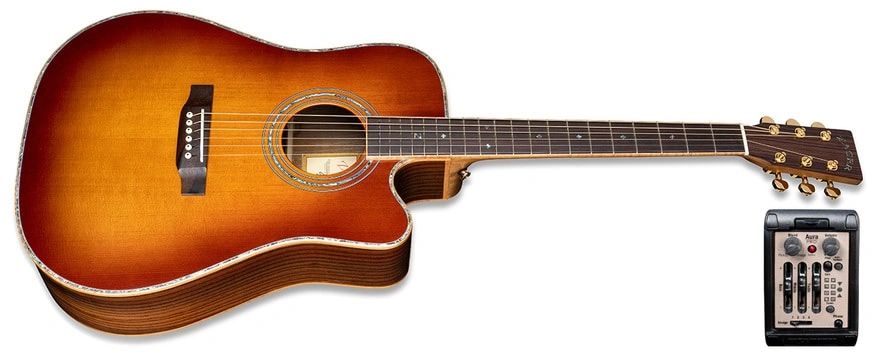
While the big brands focus on maintaining their specific “brand sound” or tradition, Zager is built with a different philosophy: solving the physical struggle of playing.
- Strengths: You notice the difference in the first five minutes. They use a custom bracing system and lower string tension that makes chords – especially those dreaded barre chords – take significantly less effort. It’s essentially a “pro setup” built directly into the DNA of the guitar.
- Real-world trade-offs: You won’t find these in your local big-box music store to test drive. It’s a specialized build that feels noticeably different from a traditional, stiff acoustic, which might take a moment of adjustment for old-school players.
- The Bottom Line: For players dealing with hand fatigue or those who just want to play for an hour without the physical “tax” on their joints, this is a game-changer.
Martin: The Traditional Workhorse
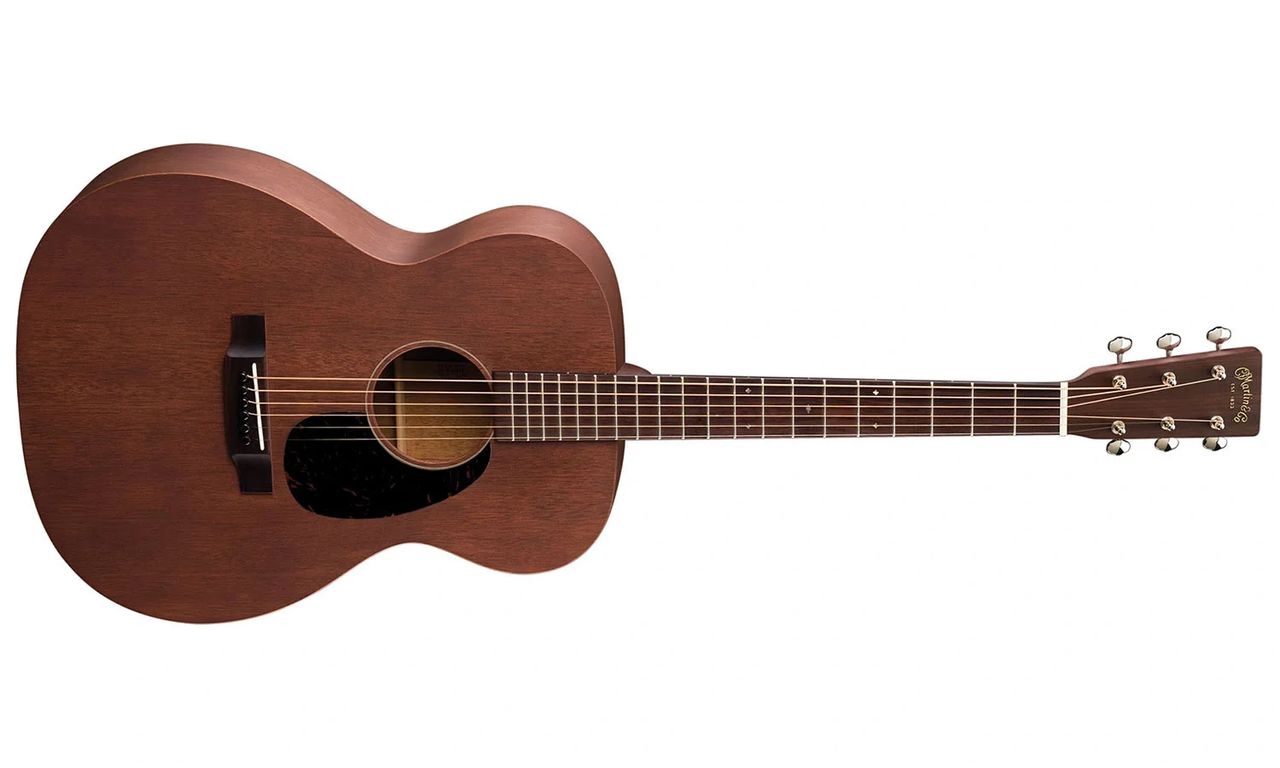
Martin is the sound of history. If you want that deep, “woody” thump, this is where you go.
- Strengths: They feel solid and familiar. A Martin 000 or OM body size is a great middle ground for players who want a “real” acoustic feel without the bulk of a jumbo body.
Real-world trade-offs: Martin builds their guitars to be driven hard. Often, they come from the factory with “medium-high” action. Most players find they need to spend an extra $75 at a local shop for a professional setup just to make them manageable for daily practice.
Yamaha: The Safe Bet
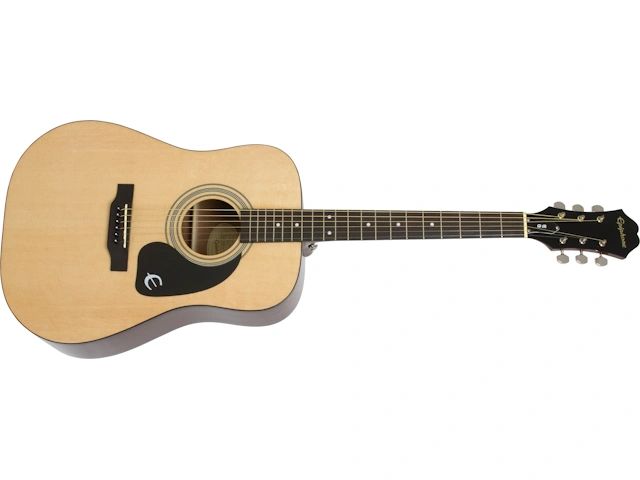
Yamaha is often overlooked, but they make incredibly reliable instruments that strike a very neutral balance.
- Strengths: They don’t do anything extreme. The necks aren’t too chunky or too thin, making them a very “safe” choice for a variety of hand sizes.
- Real-world trade-offs: Because they are built to be “all-rounders,” they aren’t specialized for comfort. They are good “entry” guitars, but they lack the refined, effortless feel that long-term players eventually crave.
One Thing Players Often Miss: Body Size
Don’t underestimate how the guitar sits on your lap. A massive Dreadnought sounds powerful, but it forces your shoulder into a high, awkward angle. If you want a balance of tone and posture, look at Grand Auditorium or Concert shapes. They tuck under the arm much more naturally, allowing you to sit up straight and play longer.
Final Thought
When you’re choosing your next instrument, don’t just look at the headstock or the price tag. Ask yourself: “Will I still want to be playing this forty minutes from now?”
A Martin or Taylor is a fantastic piece of craftsmanship, but they often expect the player to adapt to the guitar. If you’re at a stage where you just want the guitar to work with you, a specialized “easy-play” design like a Zager is often the smarter investment for your longevity as a musician. Focus on the feel, and the music will follow.